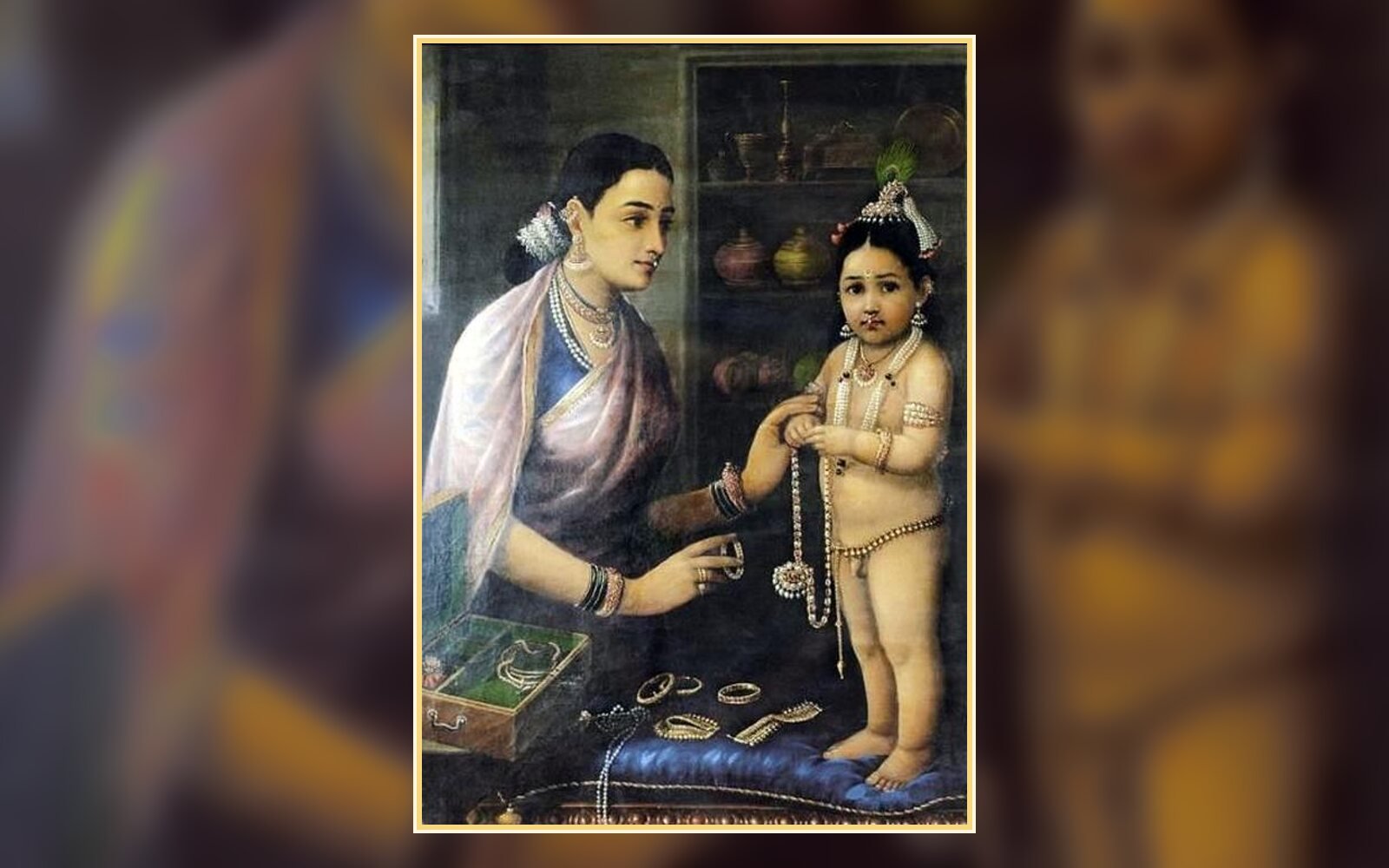
Planning a muhurtham: start earlier than you think
How a muhurtham is chosen, what information helps, and why halls and families should be part of the conversation.
 Published:
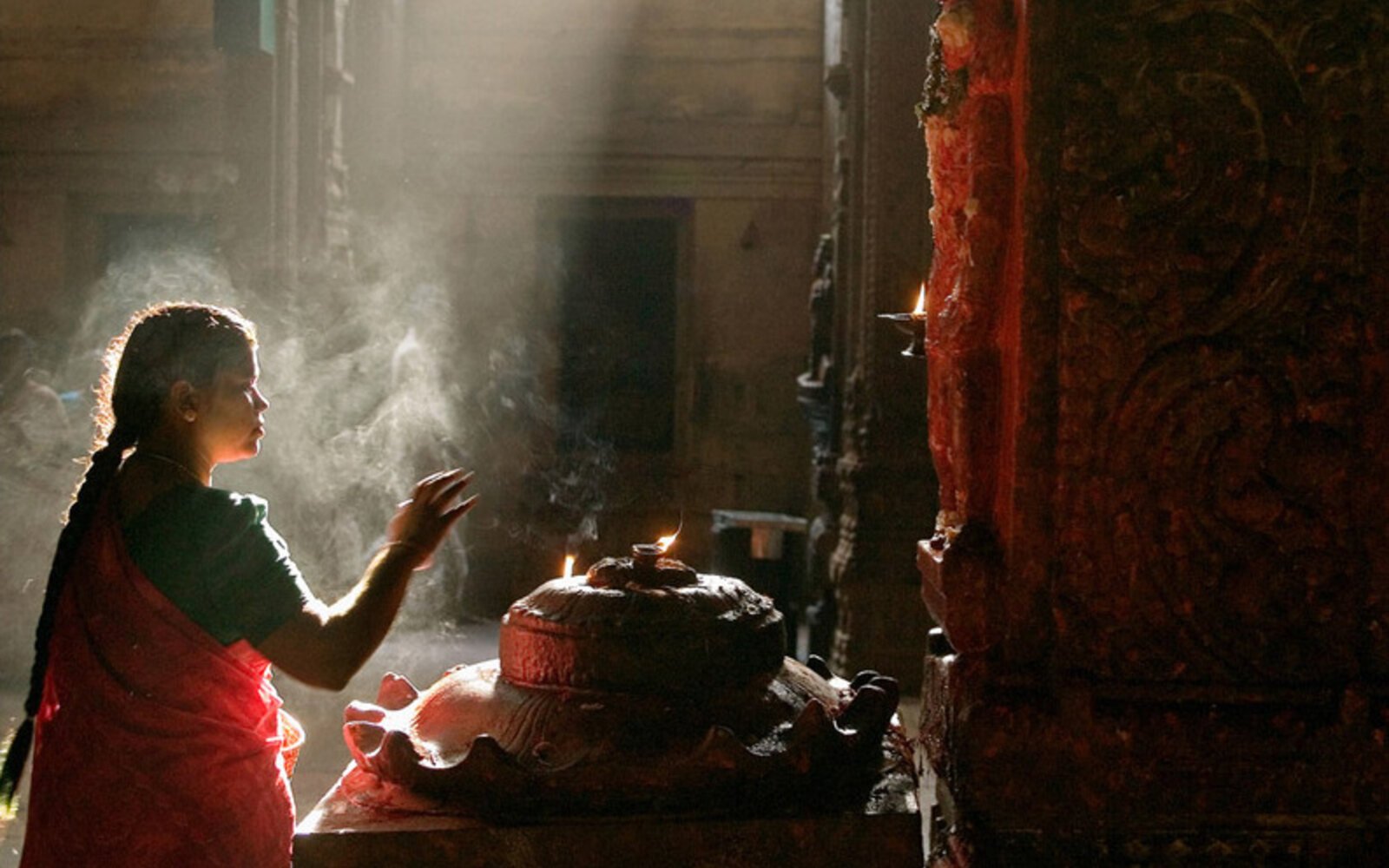
Families often begin looking for a wedding muhurtham after they have a hall in mind — and then discover the hall is booked on every good date. Starting with the muhurtham, or considering both together, avoids that frustration.
What goes into a muhurtham
A muhurtham is selected from the panchangam by looking at the tithi, nakshatram, yogam and the rising lagnam at the planned time, and by checking that the day suits the birth stars of the people involved. Periods traditionally avoided — such as rahu kalam and yamagandam — are excluded.
Information that helps
- The event: wedding, engagement, house-warming, naming ceremony, business opening.
- Birth stars or horoscopes of the main people.
- The months you are considering, and dates that are impossible for the family.
- Whether you need a morning or evening function.
Weddings and the pattolai
Once a wedding muhurtham is fixed, it can be written as a formal pattolai, which many families use for the nichayathartham and invitations.
A practical order
- Shortlist two or three suitable muhurthams.
- Check hall and key relatives' availability for those dates.
- Confirm one, and write the pattolai.
The earlier you start, the more good choices you have.